
Solar Incentives.
Capture Every Dollar.
Rebates, SRECs, tax incentives, and net metering can dramatically lower the cost of going solar. Zenergy tracks every program in your state and files the paperwork for you.
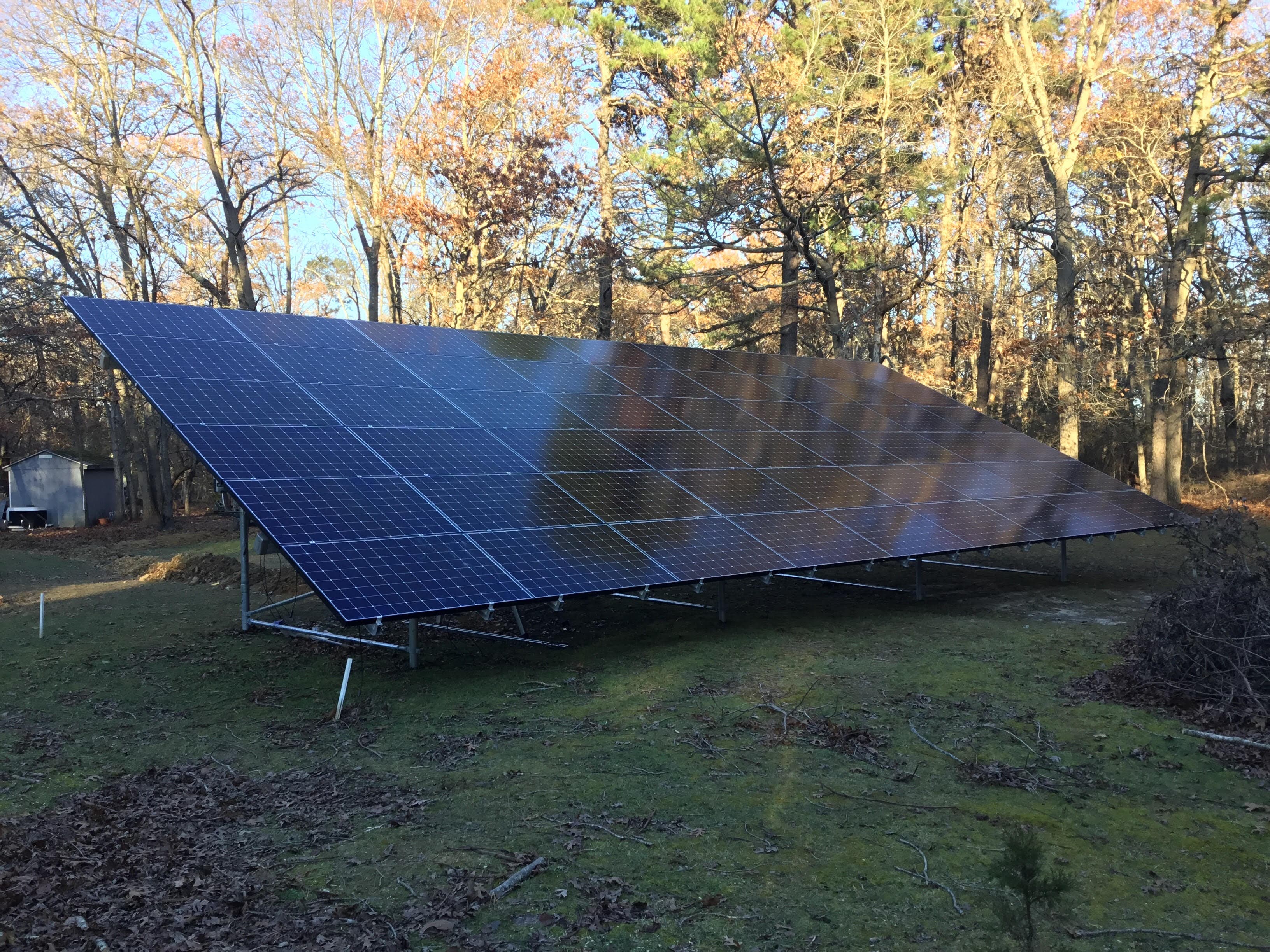
What Are Solar Incentives?
Solar incentives are programs offered by federal, state, and utility partners to encourage renewable energy adoption. They work two ways: lowering what you pay upfront, and paying you back for the clean power your system generates. Combined, they routinely cut the lifetime cost of a solar system by thousands of dollars — but each state runs different programs with different rules. That's where we come in.
Common Types of Solar Incentives
Four programs do most of the heavy lifting. Most Zenergy customers qualify for several at once.
Direct Cash Back
Rebates
Utility and state rebate programs reimburse a portion of your installation cost after the project is complete. Zenergy files the paperwork and applies eligible rebates directly to your invoice.
Solar Renewable Energy Certificates
SRECs
For every megawatt-hour your system produces, you earn a certificate that can be sold on a secondary market. In SREC states, this turns your roof into an income-producing asset.
Federal & State Tax Relief
Tax Incentives
Tax exemptions and credits reduce what you owe. The residential federal credit ended after 2025, but leased and PPA systems still capture the federal Section 48E credit through 2027 — and state tax exemptions are unaffected.
Sell Power Back to the Grid
Net Metering
When your panels produce more than your home uses, the surplus flows back to the grid and your meter runs backward. Credits offset the power you draw at night or in winter.
Incentives in Your State
Every state in our Delaware Valley footprint runs its own programs. Here's what's available where you live.
Delaware
Delmarva Power territory
Green Energy Program Grants
Cash grants for qualifying solar installations through Delmarva Power and municipal utilities.
Delaware SRECs
Sell certificates through the state-run SREC procurement program for ongoing income.
Net Metering
Full retail-rate credit for excess generation, with credits carried forward.
Pennsylvania
PECO & PPL territory
PA SRECs (AECs)
Earn and sell Alternative Energy Credits for every megawatt-hour your system produces.
Net Metering
PECO and PPL credit surplus solar at the full retail rate, settled annually.
Local Utility Rebates
PECO efficiency rebates pair well with solar when bundled with insulation or HVAC upgrades.
New Jersey
PSE&G & Atlantic City Electric territory
SuSI Program (SREC-II)
The Successor Solar Incentive pays a fixed amount per megawatt-hour generated, guaranteed for 15 years.
Sales & Property Tax Exemptions
Pay no sales tax on solar equipment, and no added property tax on the value solar adds to your home.
Net Metering
Among the strongest net metering policies in the country, with full retail-rate credits.
*Disclaimer: Incentive programs, rates, and eligibility change over time and vary by household, income, and tax situation. Figures shown are for general guidance — consult a certified public accountant (CPA) to confirm tax eligibility. Zenergy verifies current program availability during your free consultation.
What Happened to the 30% Federal Tax Credit?
The federal rules changed at the end of 2025. Here's the honest picture — and how homeowners still capture federal value in 2026.
Ended Dec 31, 2025
The 30% Residential Clean Energy Credit (Section 25D) for homeowner-purchased solar — and the Section 25C credit for heat pumps and insulation — ended for systems placed in service after December 31, 2025. Systems installed in 2025 can still be claimed on your 2025 tax return.
Still Available in 2026
Third-party-owned systems — solar leases and power purchase agreements (PPAs) — remain eligible for the federal Section 48E credit through 2027. The system owner claims the credit and passes the value through as a lower monthly rate. State incentives, SRECs, utility rebates, and net metering are unaffected.
Compare Ownership vs. Lease*Tax law changes and individual eligibility vary. Confirm your situation with a certified public accountant (CPA) before relying on any tax benefit.
Solar Incentive FAQs
Quick answers to the questions homeowners ask us most.
Is the 30% federal solar tax credit still available?
The residential credit (Section 25D) ended for systems placed in service after December 31, 2025 — systems installed in 2025 can still be claimed on your 2025 return. Leased and PPA systems remain eligible for the federal Section 48E credit through 2027, with the savings passed through as a lower monthly rate. State incentives, SRECs, utility rebates, and net metering are all unaffected.
Do I need to file the incentive paperwork myself?
No. Zenergy registers your system for SREC programs, files utility rebate applications, and provides the documentation your CPA needs for any tax filings. You sign — we handle the rest.
How much can SRECs actually earn?
It depends on your state and system size. A typical home system produces 8–12 SRECs per year. New Jersey's SuSI program pays a fixed rate per certificate for 15 years, while Delaware and Pennsylvania prices follow their SREC markets. We include a projection in every proposal.
Do incentives apply if I lease or use a PPA?
With a lease or power purchase agreement, the system owner claims the incentives — and those savings are built into your lower monthly rate. Either way, you benefit. We'll walk you through ownership vs. lease economics at your consultation.
What happens to net metering credits I don't use?
In Delaware, Pennsylvania, and New Jersey, unused credits roll forward to future bills. Summer overproduction typically offsets winter usage, which is how many of our customers reach a near-zero annual electric bill.
Ready to Take Advantage of Solar Incentives?
Our consultants map every rebate, SREC program, and tax incentive you qualify for — then build it into your proposal so there are no surprises.